
The History of African Kitenge: A Fabric of Culture, Identity & Expression
Introduction
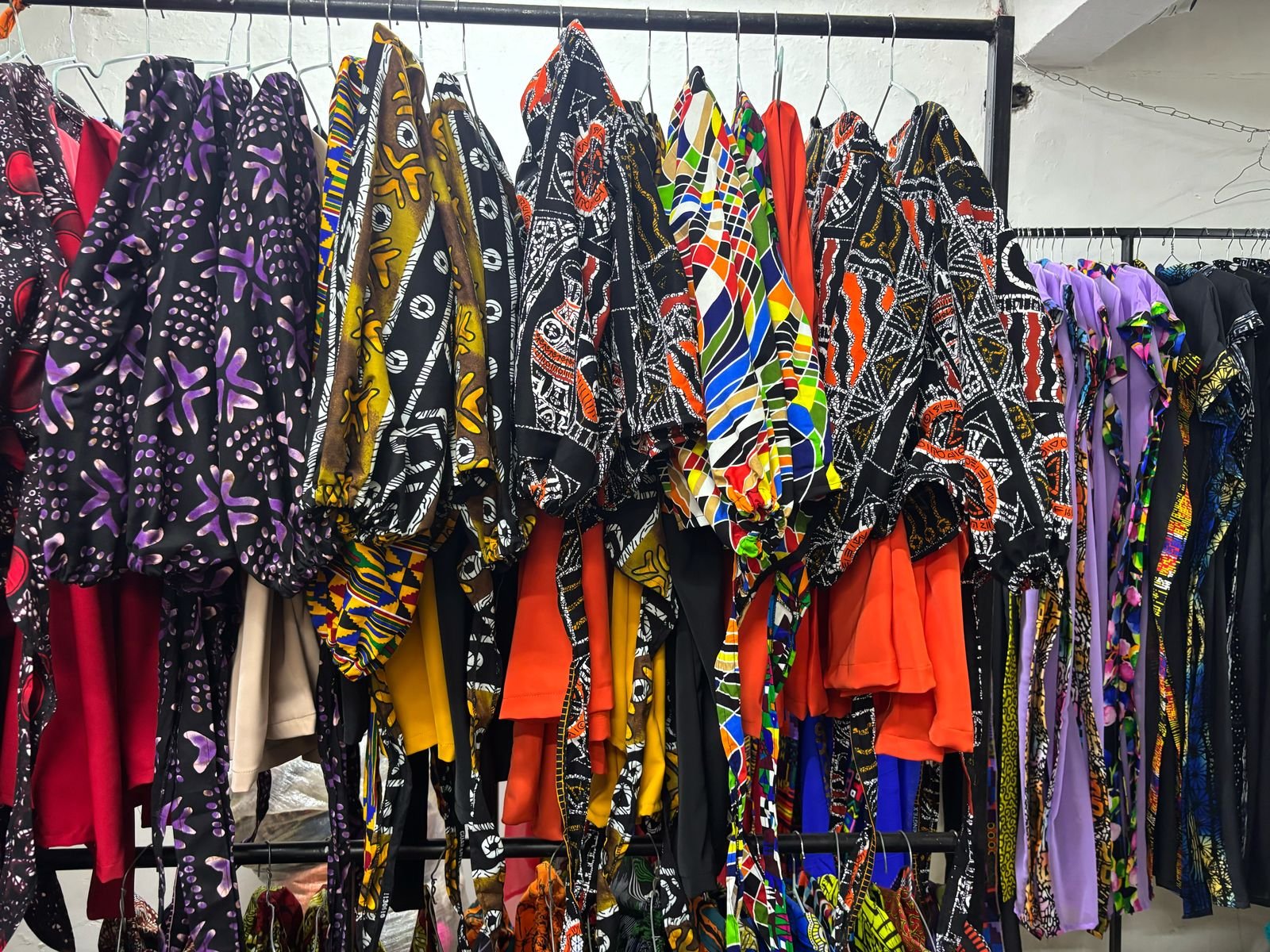
Kitenge – colorful, bold, and deeply expressive — is more than just fabric. It is a symbol of African identity, pride, and storytelling. But where did it come from, and how did it become a staple in African fashion? In this post, we dive into the rich history of Kitenge and its journey from trade textile to cultural treasure.
1. Origins of Kitenge: A Global Influence with African Roots
The story of Kitenge begins outside of Africa. Its roots trace back to Indonesian batik, which was introduced to the African coast by Dutch and Portuguese traders in the 19th century. These printed fabrics were later adapted and mass-produced by European textile companies for West and Central African markets.
Despite its foreign beginnings, Africans embraced Kitenge, infusing it with their own cultural meanings, symbols, and styling.
2. Kitenge vs Ankara: Clearing the Confusion
Kitenge is often confused with Ankara, and while both are wax-printed fabrics, there are subtle differences. Kitenge is more common in East and Central Africa (e.g., Kenya, Tanzania, Uganda, Congo), while Ankara dominates West Africa (e.g., Nigeria, Ghana). Kitenge is often printed on one side, while Ankara typically has wax prints on both.
3. Cultural Significance and Usage
Traditionally, Kitenge was worn during:
a.) Ceremonies (weddings, funerals, rites of passage)
b.) Festivals and religious events
c.) Political or social movements, with custom prints to show unity
Beyond fashion, Kitenge fabrics often carry proverbs, messages, or symbols, acting as a form of communication or social commentary.

4. The Rise of Customized Kitenge Fashion
In the past, Kitenge was worn mostly as a wrap or headscarf. Today, thanks to the rise of African designers and global fashion platforms, Kitenge has evolved into:
a.) Modern dresses, suits, and streetwear
b.) Accessories (bags, shoes, earrings)
c.) Home décor and art
At Lossy Fashions, we celebrate this evolution by offering customized Kitenge wear tailored to fit individual styles, blending traditional prints with modern cuts.
5. Kitenge Today: A Global Fashion Statement
From runways in Paris to red carpets in Hollywood, African prints have become a global trend. Celebrities and designers are increasingly embracing Kitenge-inspired styles, shining a spotlight on Africa’s rich textile heritage.
But beyond fashion, Kitenge represents something deeper – resilience, identity, and the beauty of African expression.
Conclusion: Wearing Culture with Pride
Kitenge is not just fabric – it’s history woven into threads. It speaks of journeys, cultures, and creativity that span generations. When you wear Kitenge, you’re not just making a fashion statement — you’re wearing a story.
At Lossy Fashions, we are proud to be part of this tradition, offering you handcrafted Kitenge wear that is as meaningful as it is beautiful.